
Exercisinib
A Self-Induced Clinical Trial. No IRB. No planned endpoint. Preferably outdoors.

The darkest moment of my cancer journey came two days after I finished on the podium of a three-day ultramarathon. I walked into a routine checkup at MD Anderson feeling invincible. I left with news that changed everything.
I should have known something was off when my 8AM appointment ran an hour behind. The doctors came in quiet.
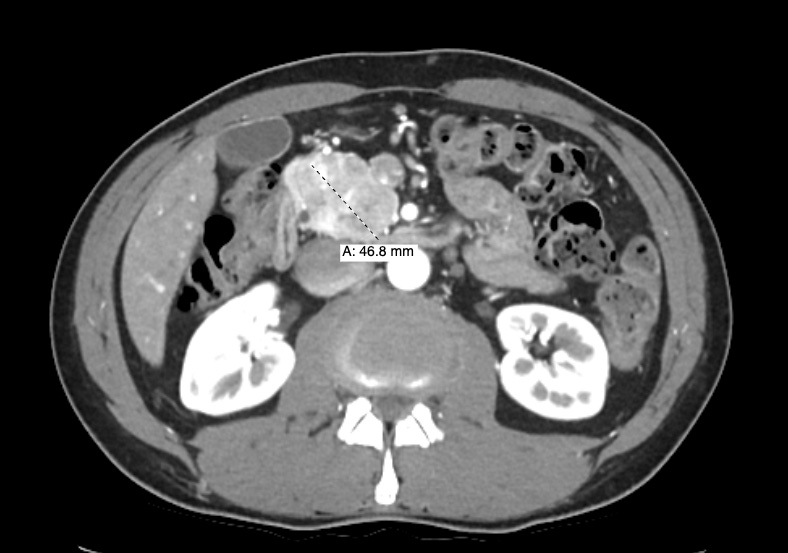
Fifteen years after my original brain tumor, I was now metastatic. Imaging revealed a 5 cm tumor on the head of my pancreas, a 4 cm tumor in my left quadriceps, and several suspicious lesions on my liver and lungs. Biopsies confirmed SFT across multiple sites.
I was in shock. My team told me to go home…they’d consult the tumor board and then work out next steps.
I was at the airport, ready to catch a flight home, when MD Anderson called and asked me to come back for more scans. And to meet with the palliative care team.
In the weeks that followed, I did what I have always done. I went outside. I moved. Not because I had a plan, not because someone prescribed it, but because it was the only thing that made the uncertainty bearable. One foot in front of the other. Tires on single track. Paddle in current. My body was filling the gap that my mind couldn’t.
A few weeks ago I stumbled on a TEDx talk by Dr. Mita Manna, a medical oncologist who thinks deeply about what survivorship actually means beyond the clinic walls. She referenced a term I’d never heard before: exercisumab. A playful jab by oncologists at the pharmaceutical naming system. The “-mab” drugs are monoclonal antibodies, engineered to bind to specific targets and recruit immune responses. Her point was simple and a bit eye opening: exercise works on the body similar to the way targeted therapy does, except it can have a more full-body, systemic impact.
I heard that and something clicked.
I’ve been living with metastatic SFT long enough to know the drugs in my world. Pazopanib. Sunitinib. The “-nib” drugs, kinase inhibitors, small molecules that enter cells and recalibrate the signaling pathways tumors hijack to grow. They work inside cells, interrupting the switches cancer uses to sustain itself.
Exercise, it turns out, works on many of those same switches. AMPK activation. Mitochondrial biogenesis. Inflammatory signaling. Immune surveillance. It’s not one target; it’s a systemic intervention, the same biological territory these drugs are trying to cover, but through a completely different pathway.
So I took Dr. Manna’s concept and made it mine. Exercisumab didn’t quite fit my world. I gravitated towards “-nib.” I needed the kinase inhibitor, the one that works inside cells, that recalibrates signaling at a systems level, a treatment that you take every day not as a cure, but as a way of living with the disease.
I’ve been self-administering this drug for years. I just didn’t have a name for it until now.

Here’s a report on my self-induced clinical trial:
Title:
A Phase IV Lifestyle Trial of Exercisinib™ in a Patient Living with Solitary Fibrous Tumor (SFT)
The following is a single-participant, open-label, ongoing trial. No IRB.
Background
Targeted therapies have changed the landscape of sarcoma care. Drugs such as Pazopanib and Sunitinib interrupt signaling pathways that tumors use to grow blood vessels and sustain proliferation. At the same time, an expanding body of physiology and oncology research suggests that sustained aerobic exercise influences many of these same pathways, metabolic regulation, mitochondrial function, inflammatory signaling, angiogenesis, and immune surveillance.
Patients living with rare cancers often develop their own parallel therapies: structured habits that stabilize the body and mind while formal treatments address tumor biology. In this context, exercise behaves less like a lifestyle recommendation and more like a systemic signaling intervention.
This study evaluates the real-world effects of Exercisinib™, a patient-administered physiologic therapy delivered through repeated bouts of endurance activity. The research question is simple: can a patient build a life that is larger than the disease?
Mechanism of Action
Exercisinib™ acts through multi-pathway modulation including:
• activation of AMPK and mitochondrial biogenesis
• improved insulin sensitivity and metabolic efficiency
• reduction of systemic inflammatory cytokines
• enhancement of immune surveillance and NK cell mobilization
• normalization of vascular function and oxygen delivery
• psychological stabilization through neurochemical signaling (and also: mountains)
Unlike single-target therapies, Exercisinib™ functions as a broad-spectrum signaling regulator, influencing dozens of biological pathways simultaneously.
Methods
Single-participant longitudinal trial.
Participant:
Male, age 60, living with metastatic Solitary Fibrous Tumor.
Intervention protocol:
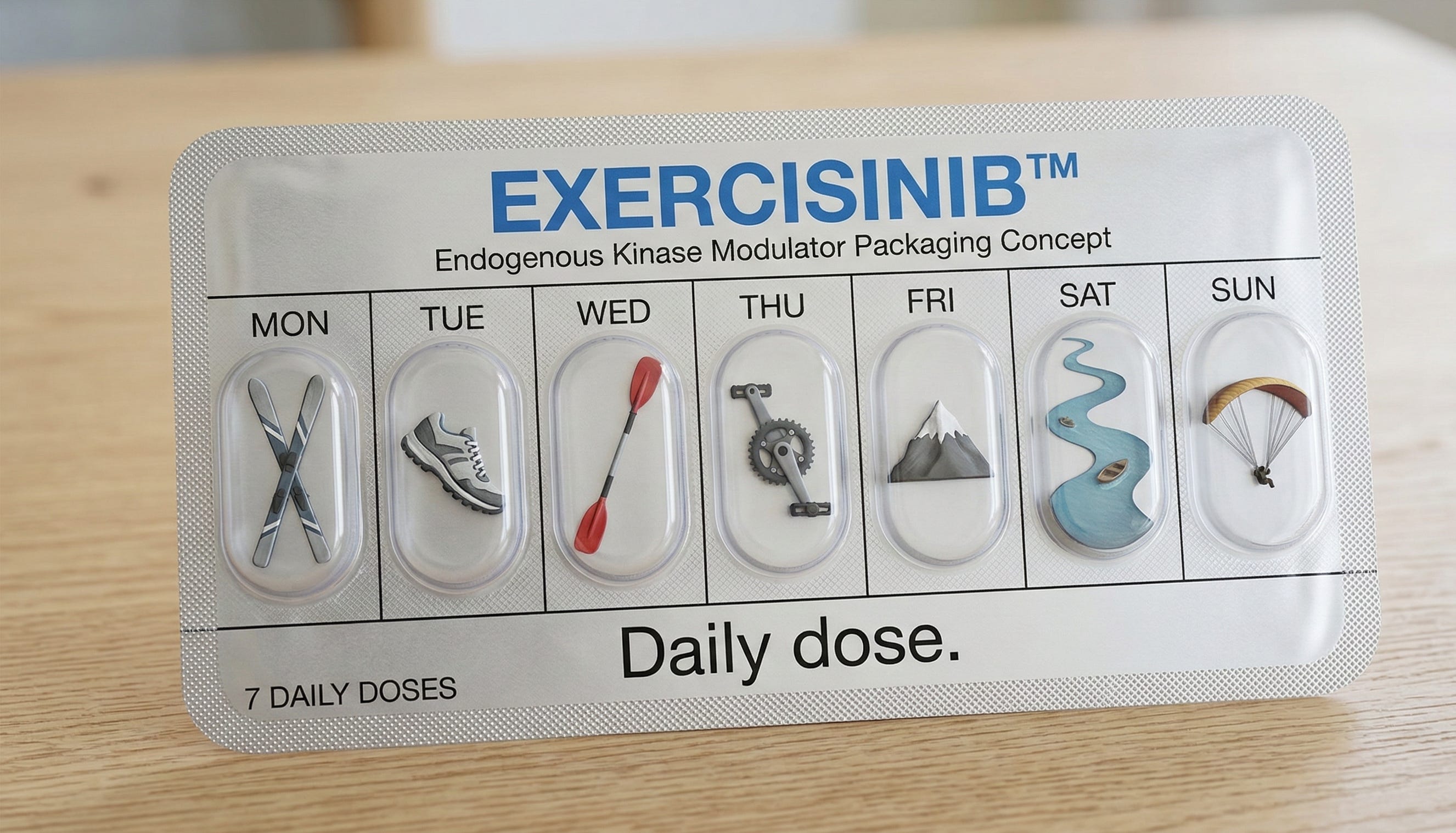
• Ultra Trail Running
• Endurance Mountain Biking
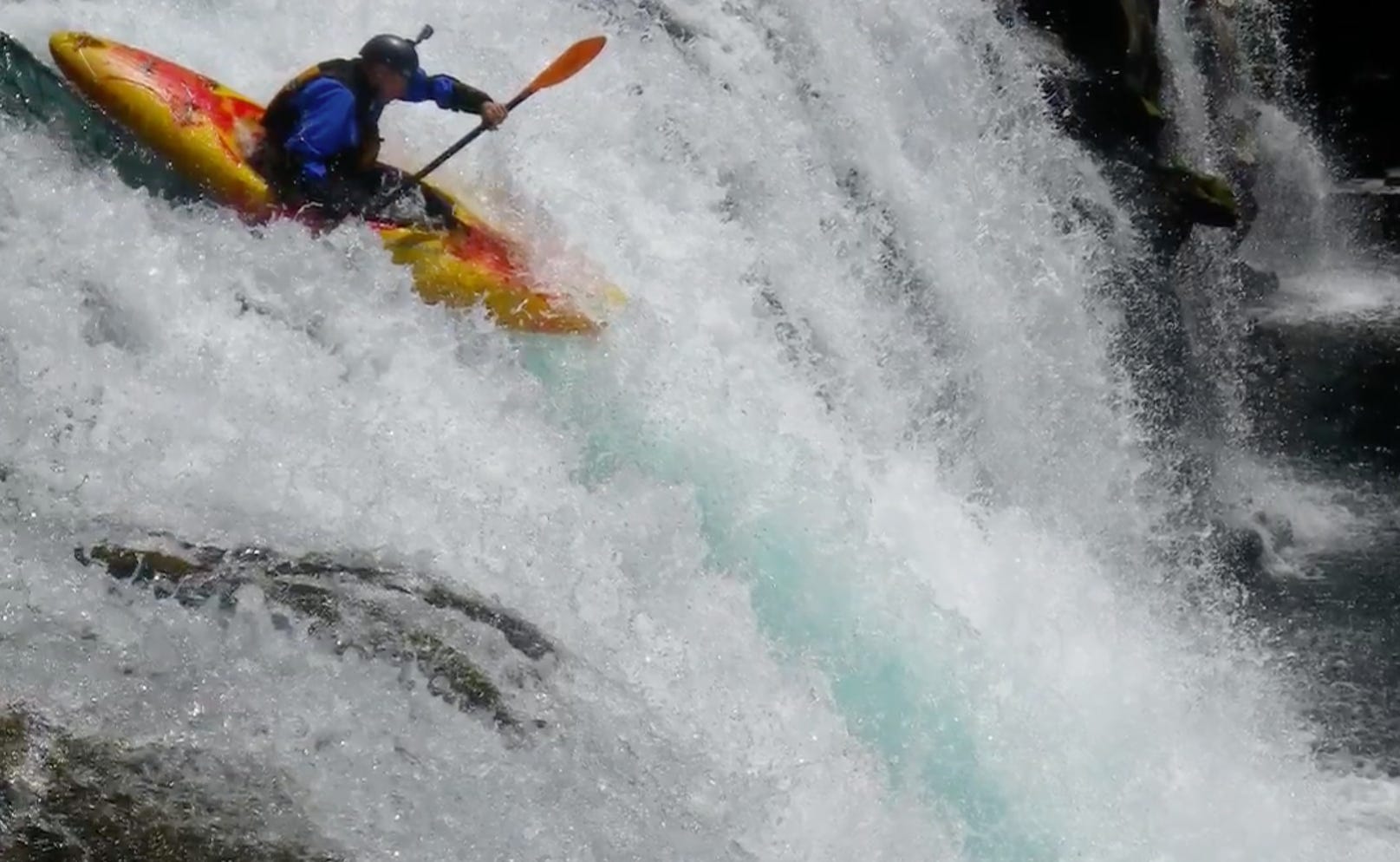
• Whitewater Kayaking
• Ski Mountaineering (skimo)
Dose:
4–6 sessions per week, duration 60–180 minutes depending on terrain and river level.
Administration route:
Outdoor terrain with moderate to severe elevation gain; Class III–IV whitewater when indicated.
Duration:
Ongoing multi-year study. No planned end-point.
Primary endpoints:
• functional capacity
• psychological resilience
• ability to tolerate conventional therapy
• preservation of identity beyond disease
Secondary endpoints:
• flow state
• community connection
• sunrise-sunset exposure
• vertical feet gained under human power
Results
Observed outcomes include:
• maintenance of high aerobic capacity during periods of medical treatment
• continued participation in endurance events and high country adventures
• ultra marathon trail run podium finish
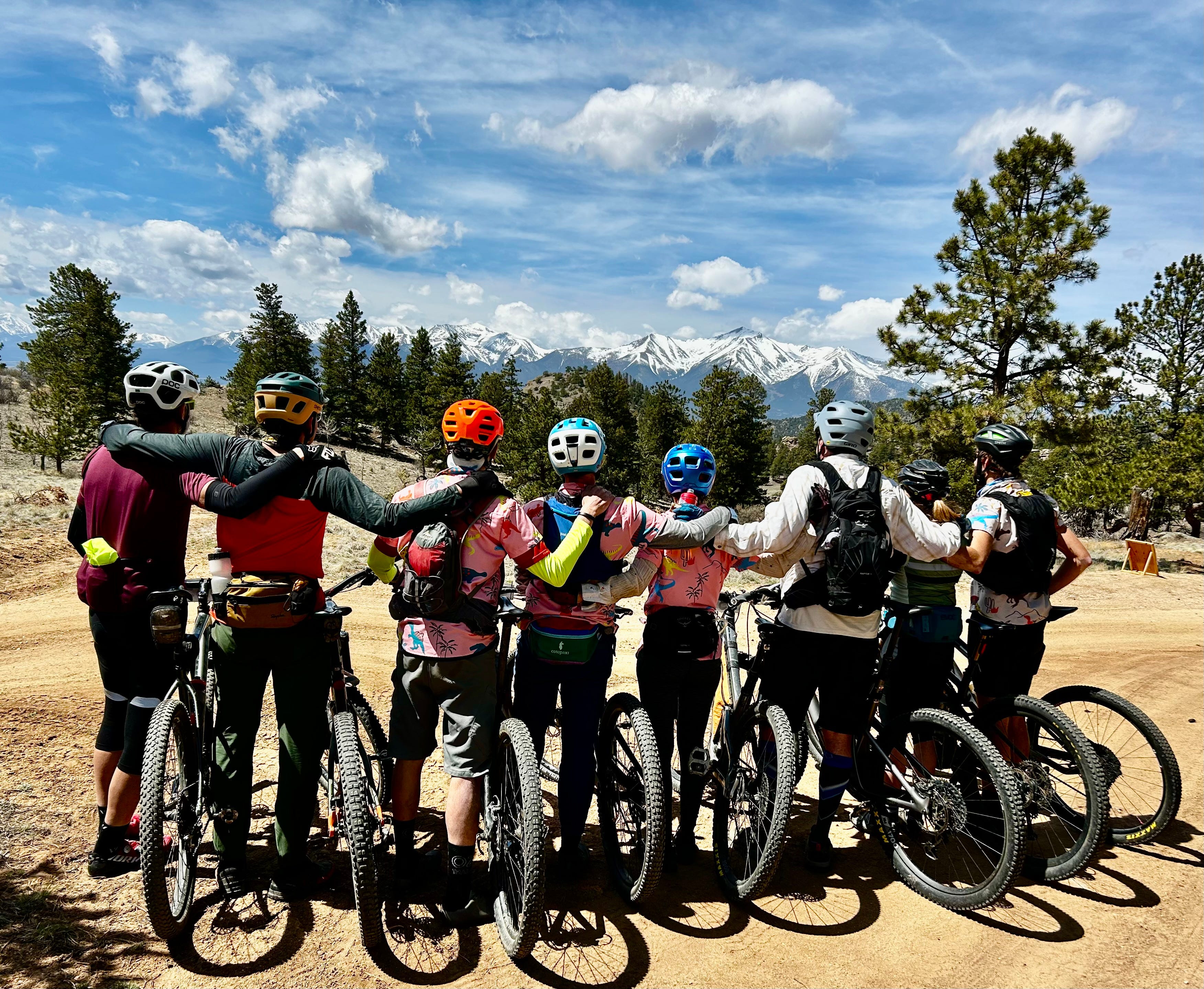
• Mountain biking the Colorado Trail
• improved tolerance to surgery and systemic therapy
• sustained motivation to pursue difficult objectives
Side effects include:
• sore legs
• excessive appreciation of mountain landscapes
• an inconvenient refusal to accept passive decline
• Occasional emotional response to summit views that is difficult to explain in clinical terms
No dose-limiting toxicity observed.
Discussion
Conventional oncology drugs act on tumors at a targeted level. Exercisinib™ acts on the host at a systemic level.
For rare cancers such as Solitary Fibrous Tumor, where treatment options remain limited and disease trajectories unpredictable, strengthening the host system may represent an underappreciated therapeutic axis. Exercise does not replace surgery, radiation, or targeted therapy, but it appears to expand the physiological and psychological capacity of the patient to live with uncertainty.
This effect is difficult to capture in a Kaplan–Meier curve. It is easier to observe on a high mountain ridge trail or a class IV rapid.
Conclusion
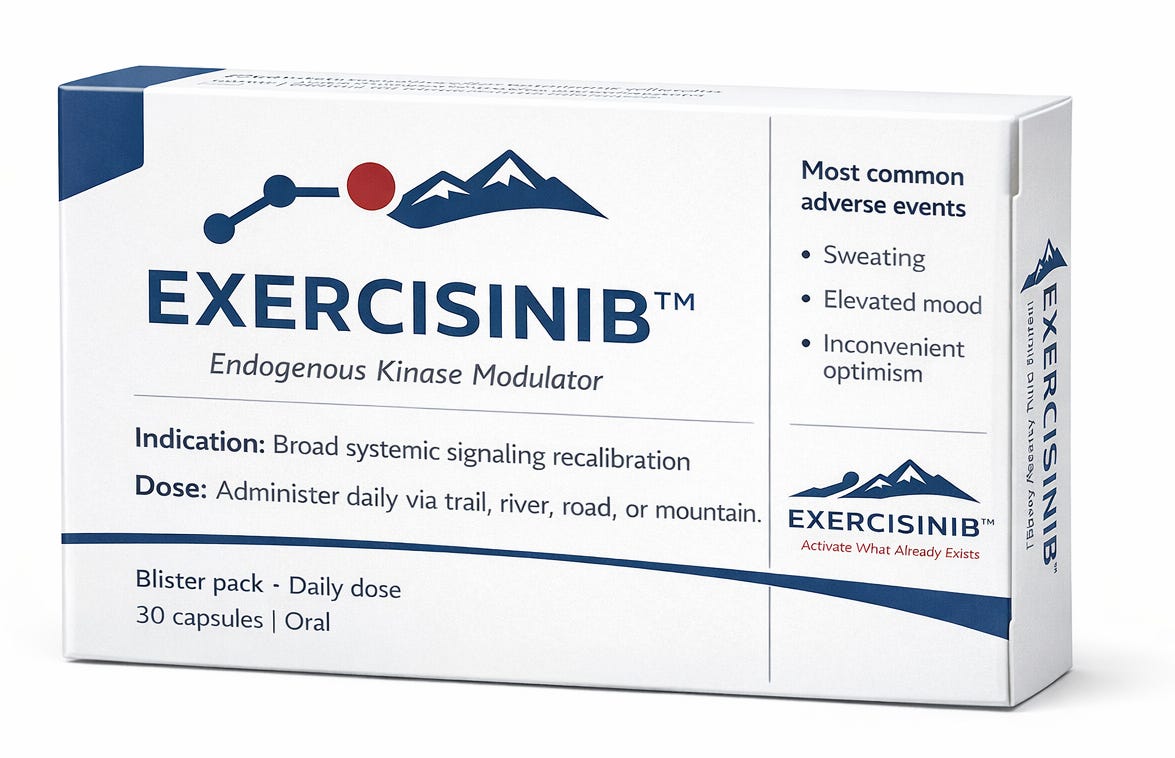
Exercisinib™ demonstrates promising activity as a whole-system adjunct therapy for patients living with SFT. Dosing is self-determined. The mountains will tell you when you’ve had enough.
Further trials are recommended, preferably outdoors.
But enough about the data. The best evidence of Exercisinib™ working is on a mountain in Colorado. Let me tell you what a dose actually looks like.
Field Trip: Monarch Mountain, Post-Ablation
Natalie and I were skinning up the backside of Monarch Mountain. The objective was the Continental Divide. Top out, then ski 16 inches of fresh powder back to basecamp. It was cold. The kind of cold that leaves icicles on your mountain man beard.
I was post-ablation and pre-follow-up. Which means I was living in that particular limbo that SFT patients know well: the treatment is done, the results are unknown, there are some remaining nodes or lesions, the next scan is somewhere on the calendar and you’re trying to fill the space between now and then with something that feels like living.
Skinning uphill at altitude in deep snow does not allow room for anything else. Just time in the present moment. That is the Exercisinib™ effect.
There is no room in your mind for scan results or recurrence statistics when your body is negotiating with a mountain, altitude and cold conditions. The condition crowds out everything. As I followed Natalie, the world narrows to the skin track ahead of me, the burn in my legs, and the rhythm of my breath at elevation.
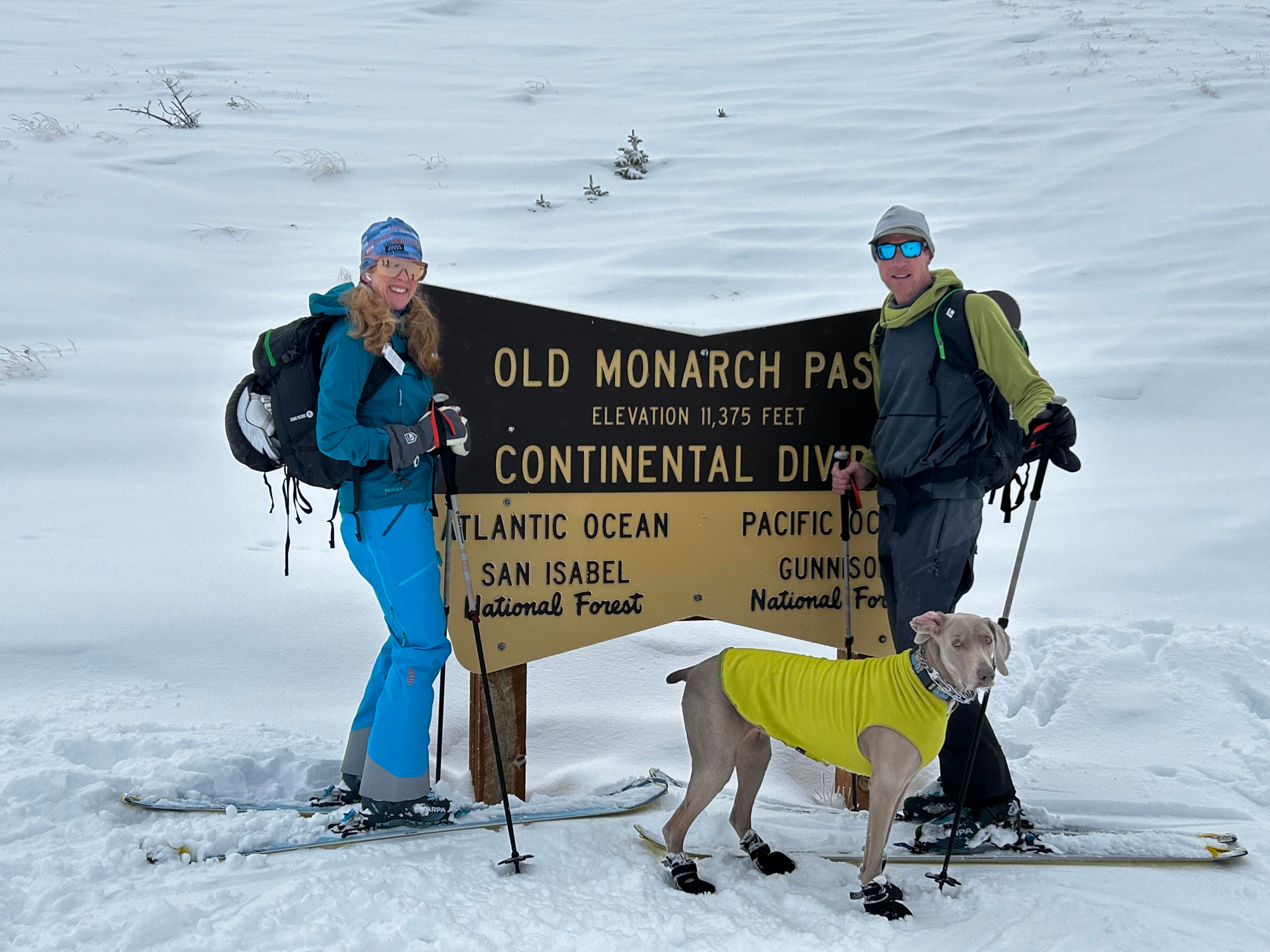
We topped out at the Divide. The wind was doing what wind does at altitude. Far below us was the mountain we had just earned. We stripped our skis of the skins, layered up…
And then we dropped in.
If you have never surfed powder on skis, it is the closest thing I know to a weightlessness flow state. The snow dust comes up around you. The mountain moves beneath you. There is no past and no future in that moment, just the fall line and the snow and the sound your skis make moving through the powder. The feeling of the descent is what I am talking about when I say the joy and thrill of a well lived life is still possible when you have cancer.
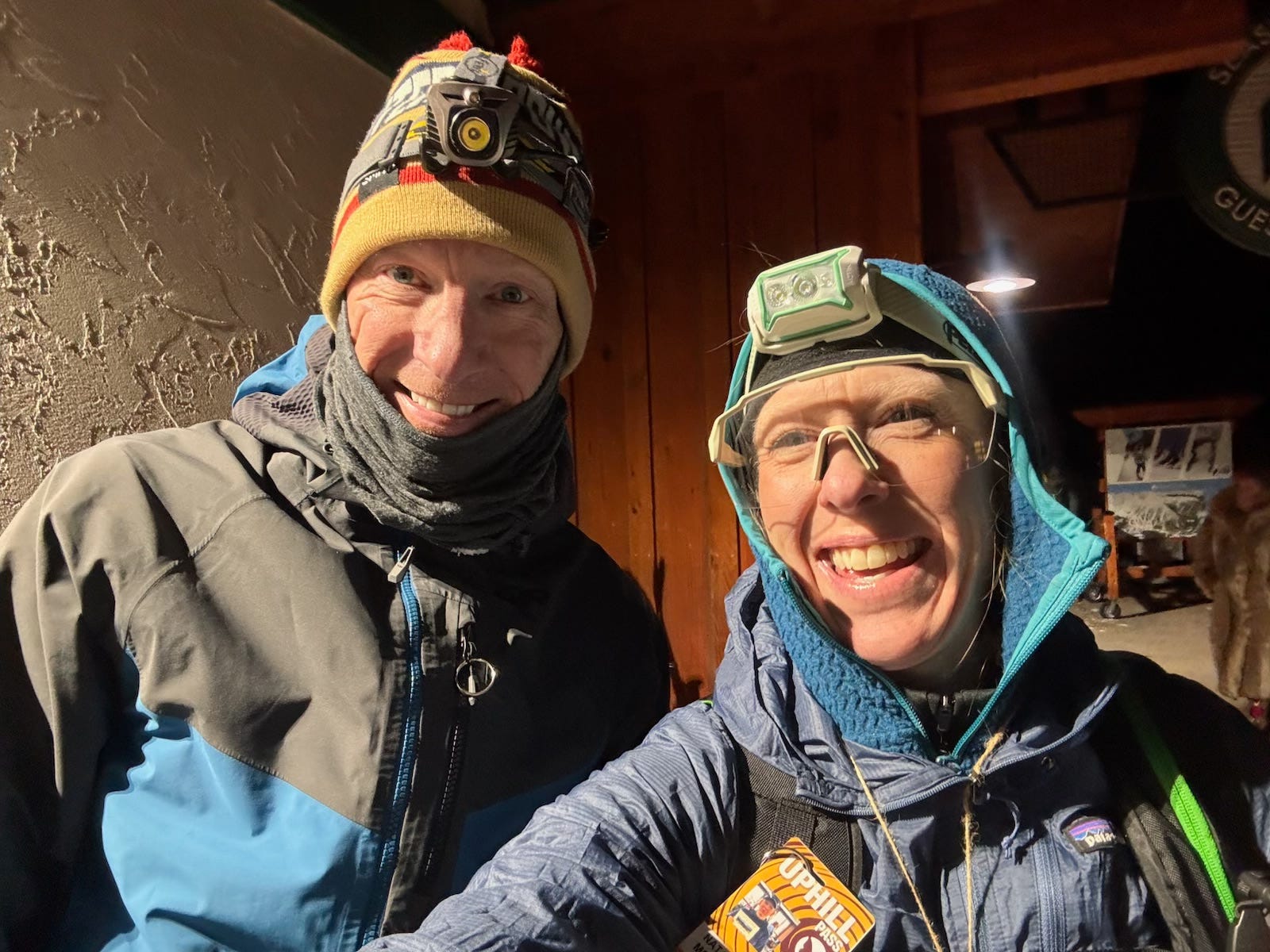
As we arrived at the base, I stood there soaking it in. That’s when I thought about what I can and cannot control.
I cannot control whether my cancer grows. I cannot control what the next scan shows. I cannot control the fact that I will spend years of my life in the peculiar limbo between treatment and follow-up, where the uncertainty is so often present and you just have to learn to live with it.
But, right now, I can skin up a mountain. I can drop into powder. I can kayak my favorite section of rapids. I can run a ridgeline until the only thing in my head is the next step. I can also stand on the Continental Divide in the cold and look down at a mountain I chose to climb.
Exercisinib™ does not cure cancer. But it gives you back something cancer tries to take: the ability to be mobile, to choose your next mountain.
Thanks heaps for sharing, Steve.
This is really inspiring. It reminds us to keep the possibilities beyond standard clinical methodology.
As you’ve probably noted I am gorging on your output at the moment. You are incredible 🤩
I also love your Weimaraner, I have a Vizsla.
Take care.